
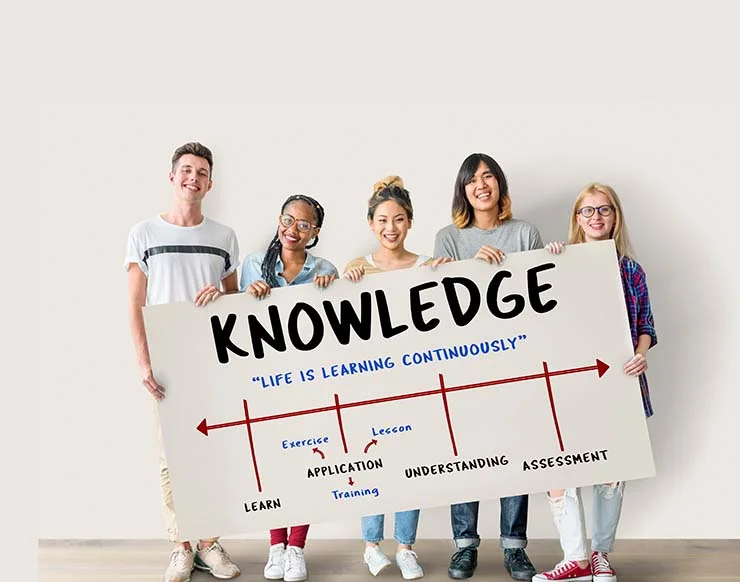
Education becomes more meaningful when students can connect what they learn in the classroom with practical situations. While theoretical knowledge provides an important foundation, practical experiences help students understand how that knowledge can be applied.
At Bibi Bhani College of Education, we believe that learning should encourage students to think, participate, explore and apply their knowledge.
From Knowledge to Experience
Practical learning gives students an opportunity to understand concepts through activities, projects, presentations, teamwork and real-life examples.
This approach can help students develop important skills such as:
- Communication
- Problem-solving
- Teamwork
- Creativity
- Decision-making
- Time management
- Confidence
These skills are valuable not only during academic life but also throughout a student’s professional journey.
Developing Confidence
When students actively participate in learning, they get opportunities to express their ideas, ask questions and solve problems independently.
Such experiences can gradually improve confidence and encourage students to take responsibility for their own learning.
Preparing for the Real World
Today’s professional environment requires individuals who can apply knowledge effectively. Practical exposure helps students understand the relationship between education and professional responsibilities.
Whether a student is preparing for a career in education, business, arts or information technology, practical skills can play an important role in future success.
Learning That Makes a Difference
At Bibi Bhani College of Education, our goal is to encourage an educational experience that combines knowledge with skills and personal development.
Because when students learn by understanding, participating and applying their knowledge, education becomes more than a qualification — it becomes a foundation for lifelong growth.